
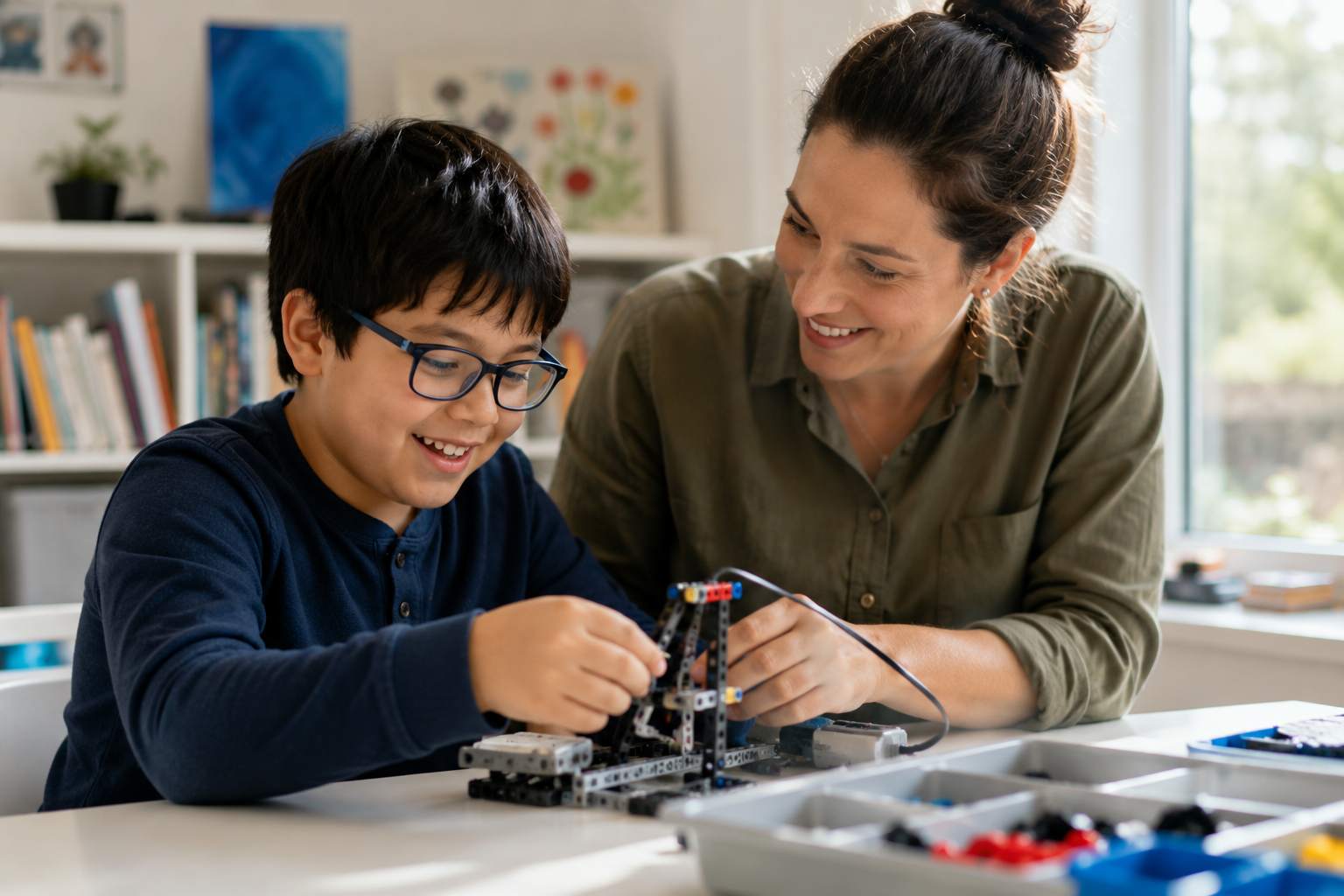
Autism & Neurodivergent Supports
Autism & Neurodiversity Support
Strengths-Based Support for Autistic Children, Teens & Families
Every autistic individual is unique, with their own strengths, interests, challenges, goals, and ways of experiencing the world.
At Willow Tree, we provide individualized, neurodiversity-affirming support that helps children, teens, and families build skills, confidence, independence, emotional well-being, and meaningful connections while celebrating each individual's unique strengths.
Our goal is not to change who someone is—we help individuals develop the skills and supports they need to thrive
Our Approach
Neurodiversity-Affirming. Strengths-Based. Holistic.
At Willow Tree, we recognize that every individual has unique strengths, interests, goals, and ways of experiencing the world.
We take a holistic approach to support, recognizing that emotional well-being, relationships, communication, independence, family dynamics, school experiences, and community participation are all interconnected.
Using evidence-based and neurodiversity-affirming practices, we help children, teens, and young adults build meaningful skills, strengthen confidence, increase independence, and participate more fully in the activities that matter most to them.

Why Families Reach Out
Emotional Regulation & Coping Skills
Some autistic children and teens experience emotions intensely and may benefit from support understanding emotions, coping with challenges, managing stress, and developing regulation strategies.
Social Development & Meaningful Connections
Support with communication, friendship development, social confidence, perspective-taking, group participation, and building authentic social relationships.
Executive Functioning & Daily Life Skills
Challenges with planning, organization, flexibility, routines, transitions, task completion, and everyday responsibilities.
Independence & Life Skills
Developing practical skills that support greater confidence and independence at home, school, in the community, and into adulthood.
Communication & Self-Advocacy
Support communicating needs, expressing preferences, building self-understanding, advocating for accommodations, and developing confidence in one's own voice.
School Success & Learning Support
Navigating school expectations, transitions, classroom participation, learning challenges, emotional regulation at school, and developing strategies for success.
Community Participation & Recreation
Building confidence participating in community activities, extracurricular programs, social opportunities, recreational activities, and new experiences.
Confidence, Identity & Self-Understanding
Helping autistic children and teens better understand themselves, recognize their strengths, build self-confidence, and develop a positive sense of identity.
Transition Planning
Support preparing for important transitions such as kindergarten, middle school, high school, post-secondary education, employment, increased independence, or adulthood.
Family Support & Parent Coaching
Helping caregivers better understand their child's strengths, needs, goals, and support strategies while building confidence and consistency across environments.
What Support May Look Like
Every individual is unique, which means support should be too.
Services begin with a parent intake where we will ask you questions about your learners interests, strengths, goals, challenges, and support needs. Our initial session with your kiddo will be focused on building a positive relationship, learning about their interests and having fun! Together, we identify meaningful goals and develop a personalized plan that focuses on building practical skills, confidence, independence, and supporting their overall well-being.
Because every individual learns differently, support is tailored to their unique learning style, interests, and developmental needs.
Depending on the learner and their goals, support may include:
Individualized Skill Development
Most support focuses on developing meaningful, real-world skills that help individuals navigate daily life with greater confidence and independence. Goals may relate to emotional regulation, social development, executive functioning, communication, self-advocacy, independence, daily living skills, community participation, and more.
Play-Based & Interest-Based Learning
Children often learn best when they are engaged and having fun. Support may incorporate play, games, movement, art, music, creativity, storytelling, preferred interests, and other meaningful activities to promote learning and skill development.
Emotional Regulation & Mental Wellness Support
Support may focus on developing emotional awareness, coping skills, resilience, flexibility, self-confidence, and strategies for managing stress, anxiety, and everyday challenges.
Community-Based Learning & Real-World Practice
When appropriate, skills may be practiced within meaningful real-life environments such as the community, recreational activities, social settings, or everyday routines to support generalization and long-term success.
Family Coaching & Parent Support
Families play an important role in a child's growth and development. We work collaboratively with caregivers to provide guidance, practical strategies, education, and support that can be implemented across home and community settings.
School Collaboration
When appropriate, we collaborate with educators and other professionals to help support consistency, communication, and success across environments.
Ongoing Assessment & Progress Monitoring
Support is individualized and responsive to each person's needs. We regularly review goals, monitor progress, celebrate growth, and adjust support plans as needed to ensure services remain meaningful and effective.
Who Provides Support?
Services may be provided by Registered Social Workers, Child & Youth Therapists, and other qualified clinicians with experience supporting autistic children, teens, young adults, and families.
Clinical consultation and supervision may be provided by senior clinicians where appropriate.
Funding & Coverage
Many services may be eligible for coverage through extended health benefits when provided by a Registered Social Worker.
Willow Tree also accepts Ontario Autism Program (OAP) funding.
Group Programs
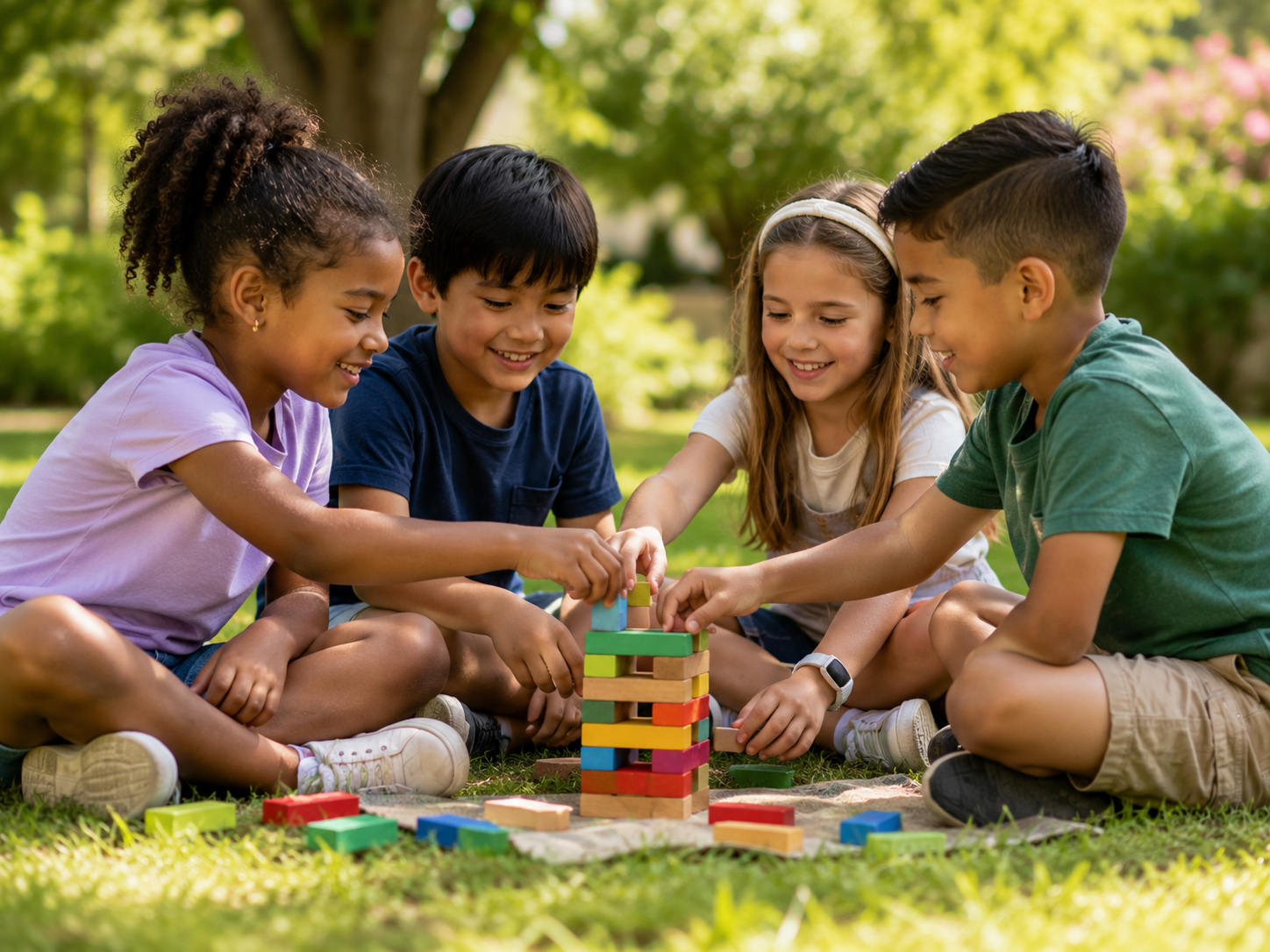
Mindful Connections Summer Camp
Social-Emotional Learning Skills Camp
For kids 5-12yrs old
Mon - Fri 9:00am-3:00pm
July & August
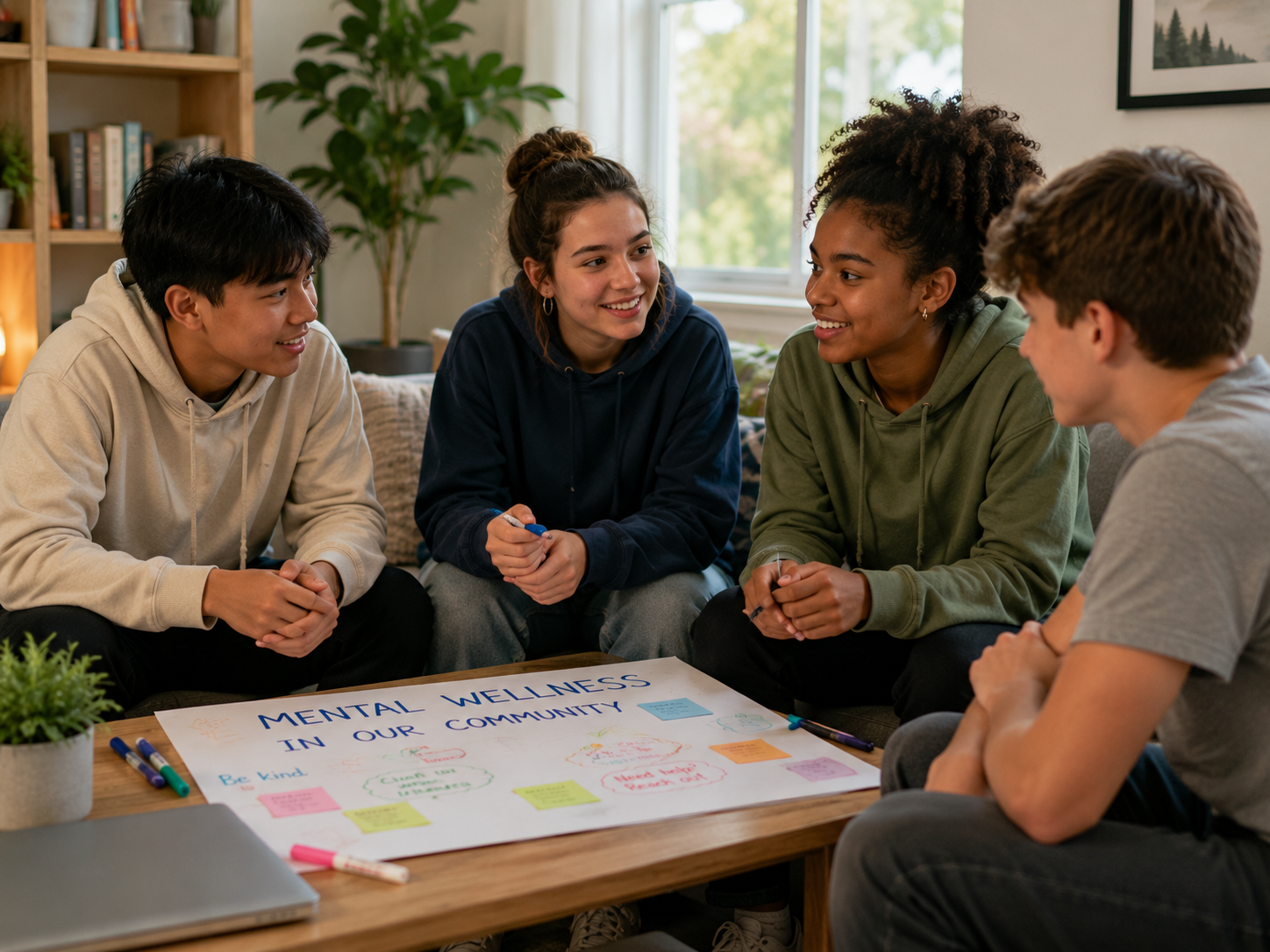
Next Steps: Life Skills for Teens with Autism
Life Skills & Social Group for Teens with Autism
For Teens 13+
Tues & Thurs 1-4pm July & August
Saturdays 1-4pm Sept - June

Sprouts:
Play-Based Early Intervention
For 3-6 year olds
Our early intervention program uses evidence-based naturalistic developmental behavioural interventions (NDBI) to teach young children key skills within small group settings.

Skills for Success
Executive Functioning & Emotional Wellness program for neurodivergent kids
For ages 8-11
Tues & Thurs 5:00-6:30pm

Adaptive Minds For teens 13+
A specialized group program to help Neurodivergent teens sharpen their executive functioning, social skills, resilience, creative problem solving, flexible thinking, focus and attention skills in a fun and collaborative team environment!